Locations
577 to 600 of 705 results
-
Summio Parc Aquadelta
Summio Parc Aquadelta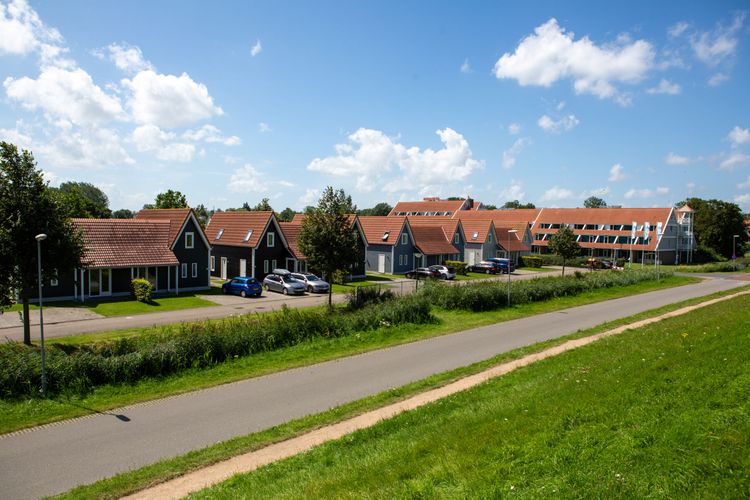
Bruinisse -
Administratiekantoor Schrier
Administratiekantoor Schrier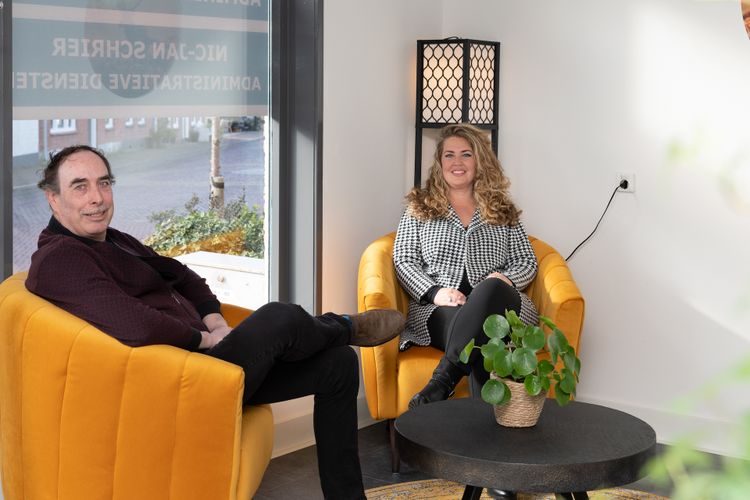
Burgh-Haamstede -
Camping Meidoornhoeve
Camping Meidoornhoeve
Renesse -
Brouwersdam
Brouwersdam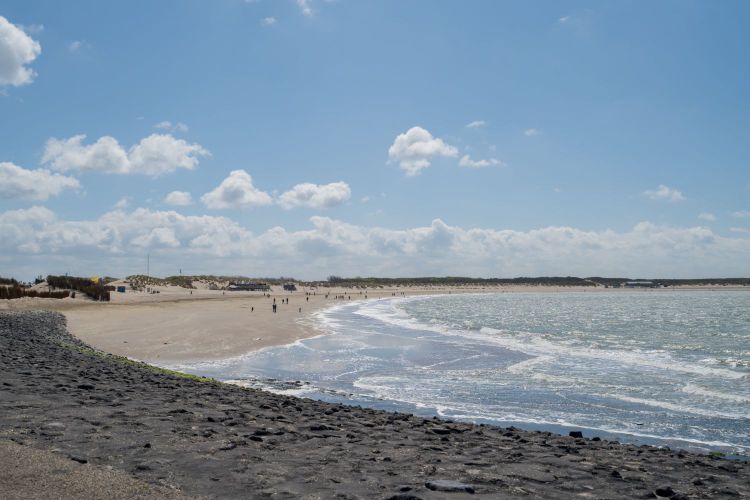
Brouwersdam -
LISTEN & QUESTION: Animal Noise
LISTEN & QUESTION: Animal Noise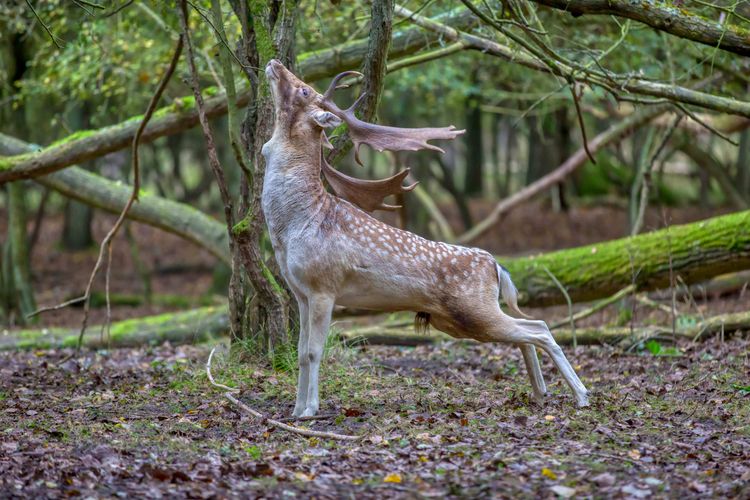 Boeijesbosch
LISTEN & QUESTION: Animal Noise
Be very quiet. What do you hear? You might hear mallards, table ducks and shelducks quacking in the lakes. Or you might hear the plaintive call of the curlew and the song of the woodlark. Perhaps the tapping of the green woodpecker. The rustling of a lizard in the bushes or a creaking branch when a roe deer or fallow deer is on it. So, as you can see, it can be quite busy in the Sea Dunes. And if that is not enough, a few kilometres away is a gull breeding colony. So look and listen carefully, maybe the animals will show themselves.
Question 7: You will find several species of ducks here: the mallard and the shelduck. Which ones more? Take the first letter of the answer.
Burgh-Haamstede -
-
LekkerZ To Go
LekkerZ To Go
Renesse -
Eetcafé de Loze Visser
Eetcafé de Loze Visser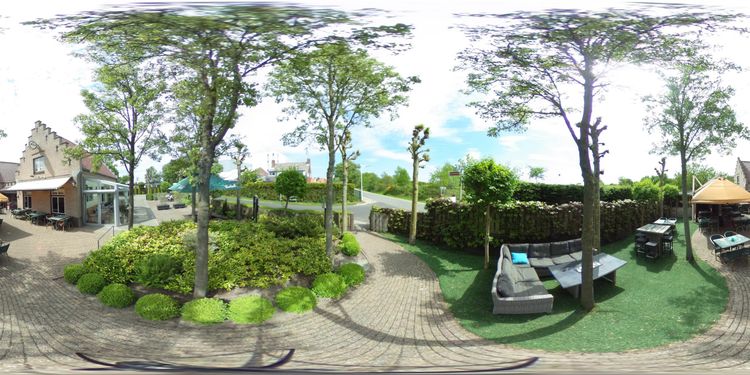
Renesse -
Cameramuseum
Cameramuseum
Zierikzee -
Ellemeet
Ellemeet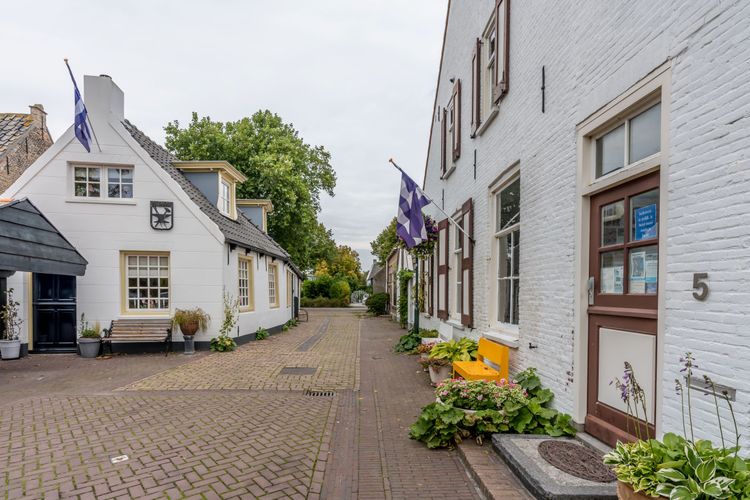
Ellemeet -
Camping Duinhoeve Renesse
Camping Duinhoeve Renesse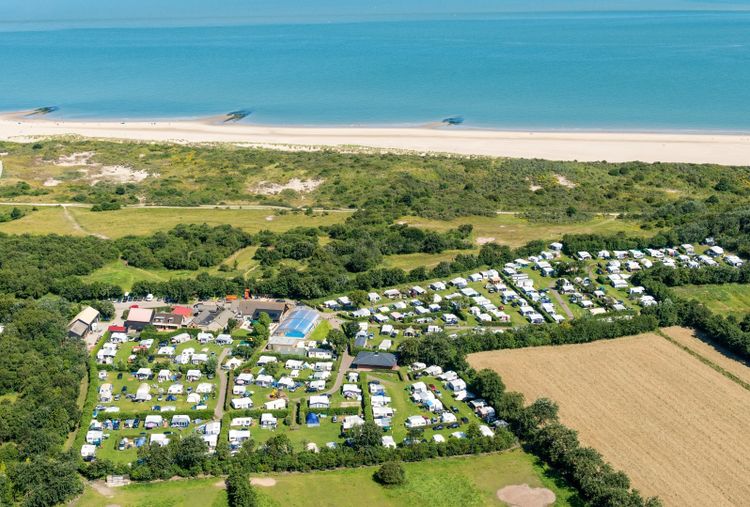
Renesse -
Streetwear Renesse
Streetwear Renesse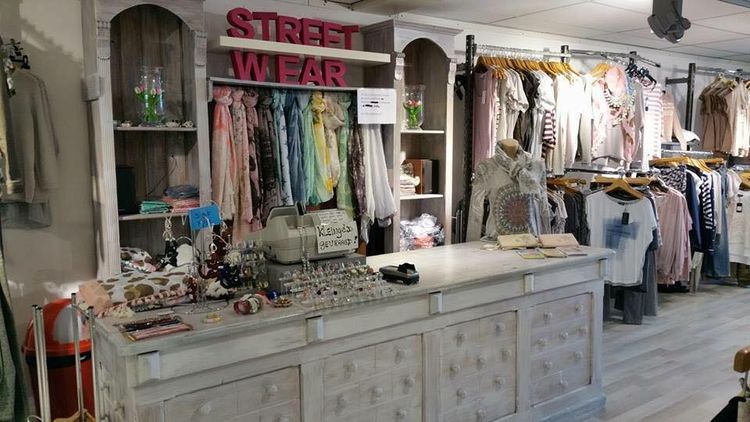
Renesse -
Molen De Korenbloem Zonnemaire
Molen De Korenbloem Zonnemaire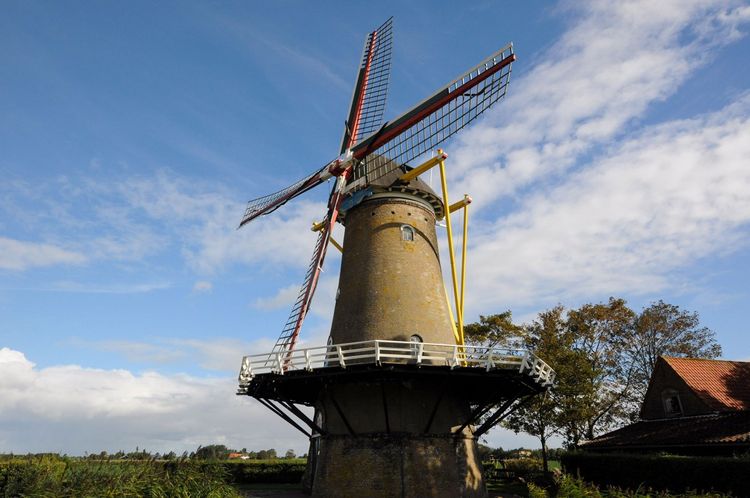
Zonnemaire -
Administratiekantoor Schneider
Administratiekantoor Schneider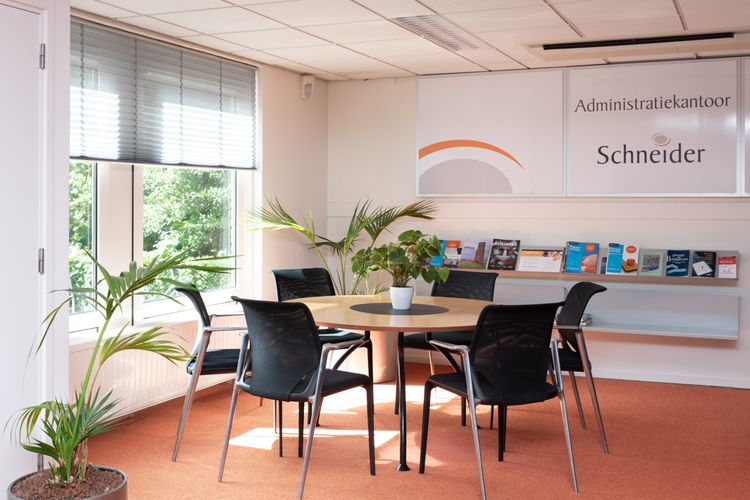
Burgh-Haamstede -
Lena’s Tabakshop
Lena’s Tabakshop
Bruinisse -
Aquavitesse
Aquavitesse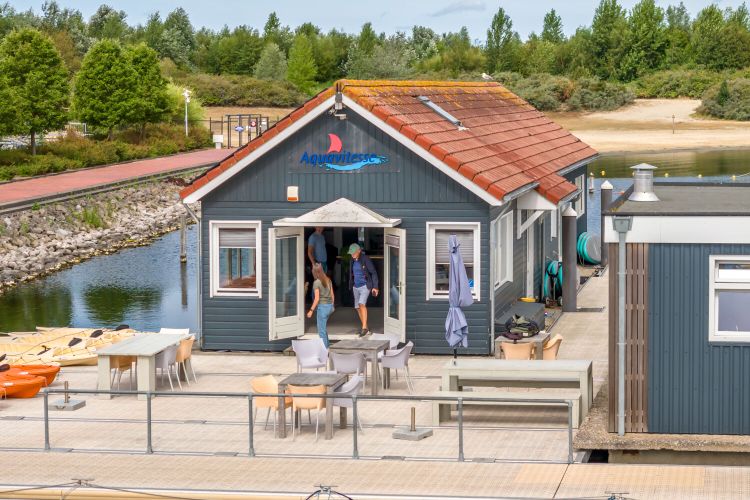
Bruinisse -
Strand Café DOK
Strand Café DOK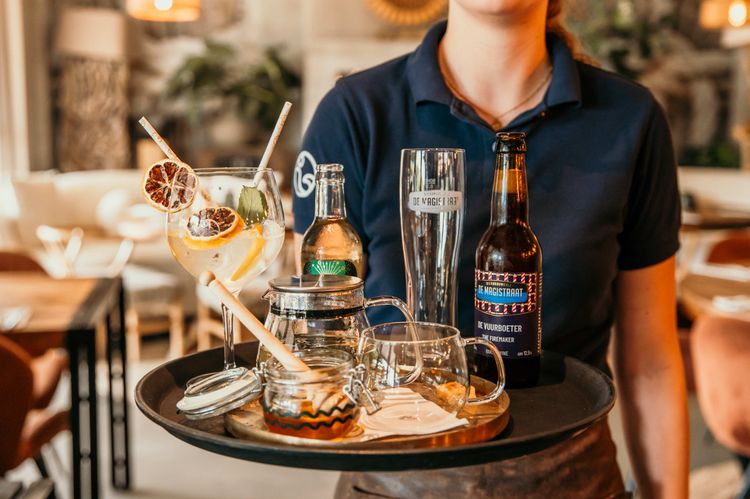
Renesse -
Hanse Sails
Hanse Sails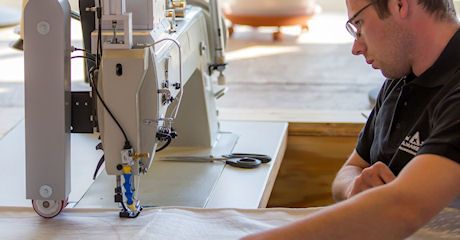
Brouwershaven -
Dorpsuus bij Vakantiepark Zonnedorp
Dorpsuus bij Vakantiepark Zonnedorp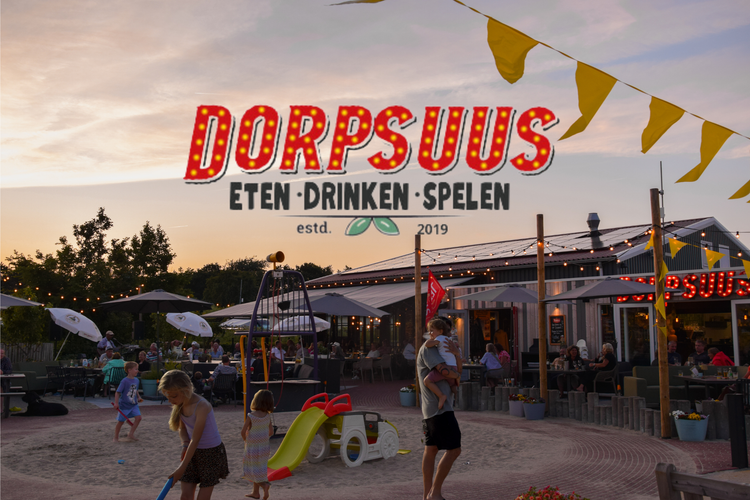
Renesse -
LOOK & ASK: Caissons (flood museum)
LOOK & ASK: Caissons (flood museum)
LOOK & ASK: Caissons (flood museum)
Sunday night, February 1, 1953. A very severe northwesterly storm is raging. It is spring tide, causing the water to be higher than during a normal flood. The water pounds against the dikes, which have become very weakened during the Second World War. Then the dikes break, and the water has free rein. Because the radio transmitters are off the air, the KNMI (Royal Netherlands Meteorological Institute) cannot issue a storm warning. No one is prepared, and the consequences are enormous. More than 1800 people drown, tens of thousands lose their homes, and a large part of the country is flooded.
To get rid of the water, the dikes must be repaired. Caissons, like the ones you see here, are also used for this purpose. This is a difficult operation. Just imagine trying to place four large boxes in such a way that they close the dike. But on November 6, 1953, the time has come. The last dike breach here in Ouwerkerk is closed.
Question 1: What are these caissons actually made of? Note down the first letter.
Ouwerkerk -
Strand De Punt
Strand De Punt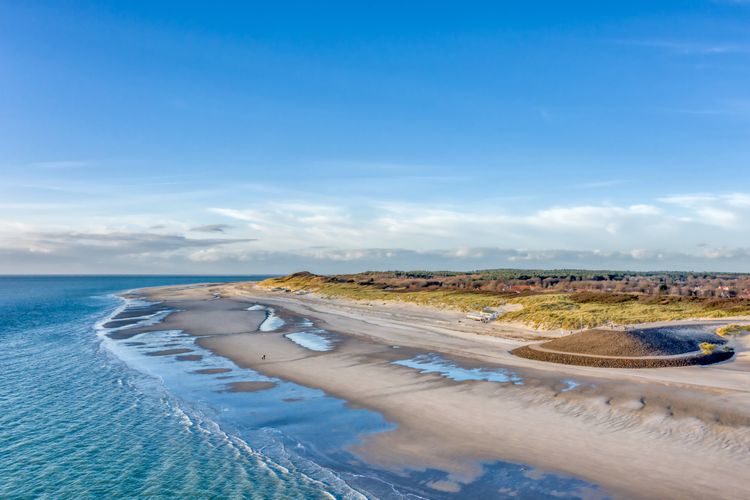
Westenschouwen -
Liberation route Europe | De tien van Renesse Monument Schenkeldijk
Liberation route Europe | De tien van Renesse Monument Schenkeldijk
Brouwershaven -
3S / De Bruse Bazaar
3S / De Bruse Bazaar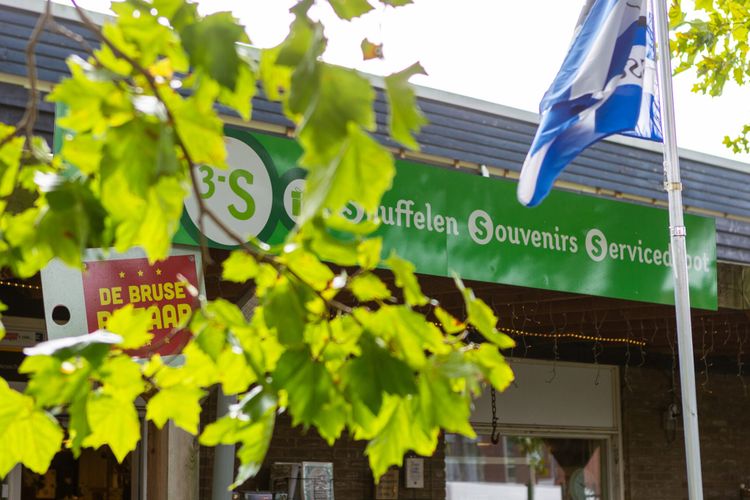
Bruinisse -
Renesse
Renesse
Renesse -
Museumhaven Zeeland / Stads- en Commerciewerf
Museumhaven Zeeland / Stads- en Commerciewerf
Zierikzee