History
Renesse through the century's

Renesse - aan zee
Renesse is a village with a long history. From prehistoric inhabitants in the dunes to beachgoers by the sea: stories have gathered here for centuries. The sea shaped the landscape, while the people gave it character. Discover how a ring village grew into a lively seaside resort on Schouwen-Duiveland.
Ancient coastline
Renesse is located in a part of Zeeland that has been inhabited for thousands of years. Long before dikes shaped the landscape, this area consisted of a low-lying coast with beach ridges and ancient dunes. People were already living here around 3000 BC. Near Haamstede, the remains of a settlement dating to around 2460 BC have been discovered. The dunes provided protection from storm surges. There was access to fresh water, and farming took place on the higher inland dunes. Its elevated and sheltered location made this an attractive place to settle.
Discover our beaches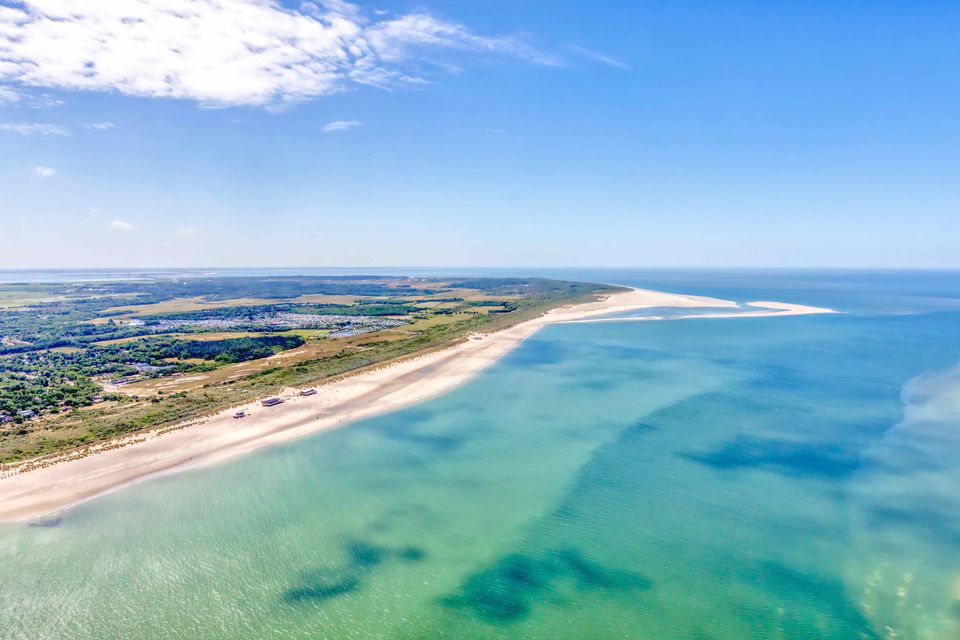
Medieval Renesse
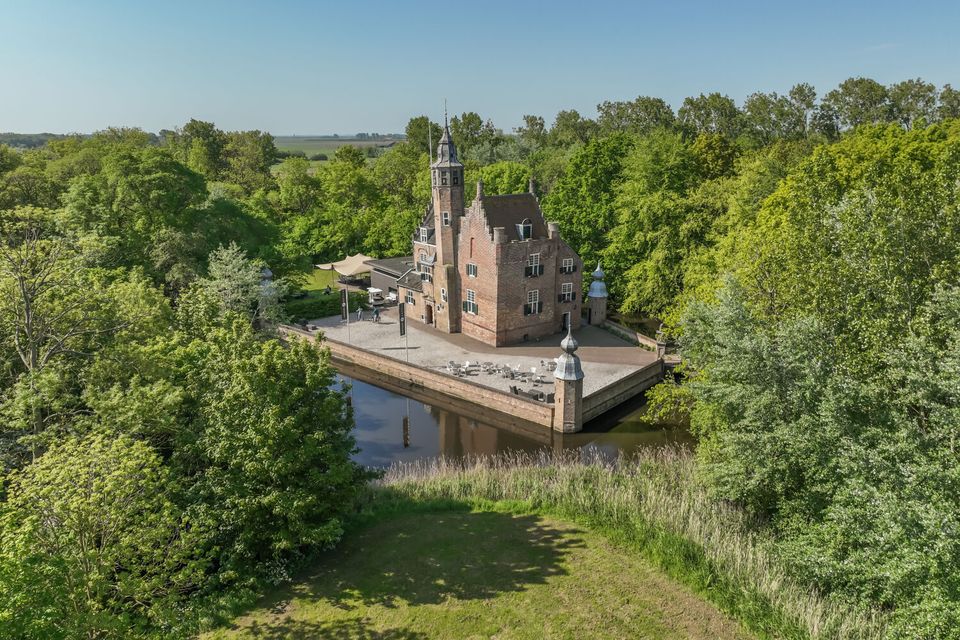
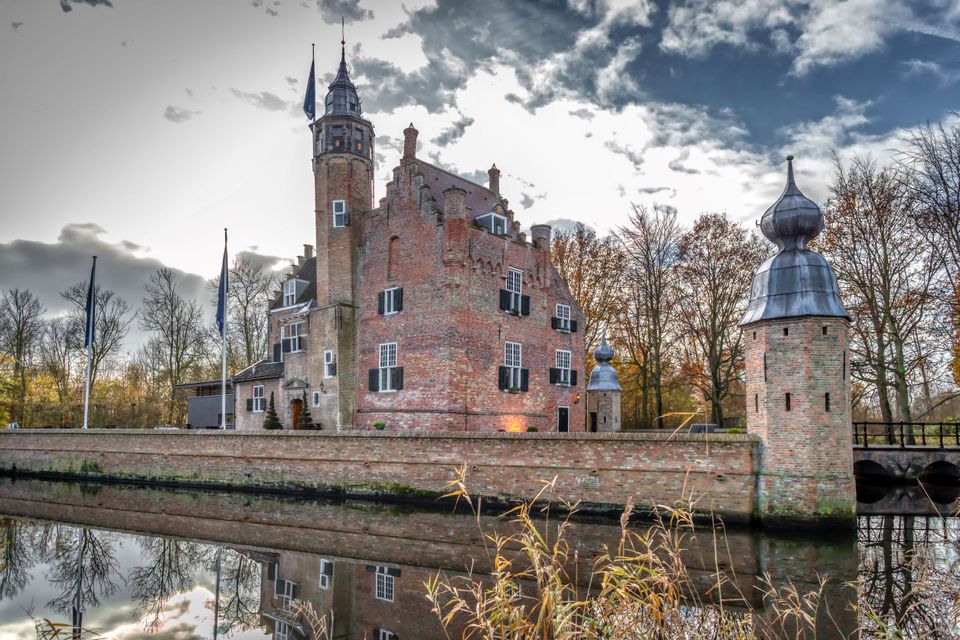
The first official mention of Renesse dates back to 1244. In a charter, Count Willem II of Holland and Zeeland granted the monks of Ten Duinen the right to trade free of tolls. The document was issued in the home of the knight Costijn van Renesse, who lived in the first version of what is now Slot Moermond. The village developed as a ring village around the Jacobus Church and was then known as Riethnesse, a name referring to reeds and a headland (nes). Over the centuries, the inhabitants acquired various nicknames. The best known is “Zandloapers” (“Sand Walkers”). An older nickname was “Geitenbokken” (“Billy Goats”). Many families kept a goat, often called the cow of the poor. The soil in the Westhoek was infertile, and the fields regularly suffered from drifting sand.
-
The First Bathing Guests
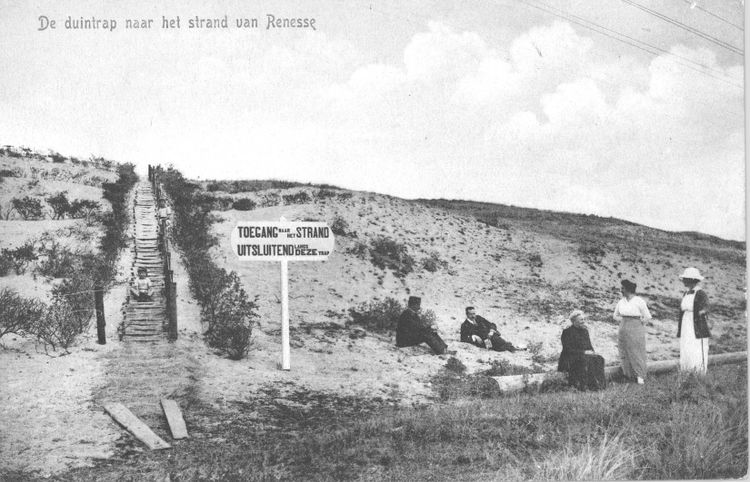
At the beginning of the 20th century, the first seaside visitors discovered Renesse. Among them were well-known figures such as Albert Plesman and Anton Pieck. In 1911, the Vereeniging Renesse Vooruit was founded with the aim of promoting the village and its surroundings to visitors. Accessibility improved significantly when the steam tram line was extended to Burgh in 1915. During the 1920s, Camping Bona-Fide opened on the Hogezoom, becoming Renesse’s first campsite. The area also saw the construction of its first holiday homes, marking the beginning of tourism’s lasting influence on the village.
-
Upcoming tourism
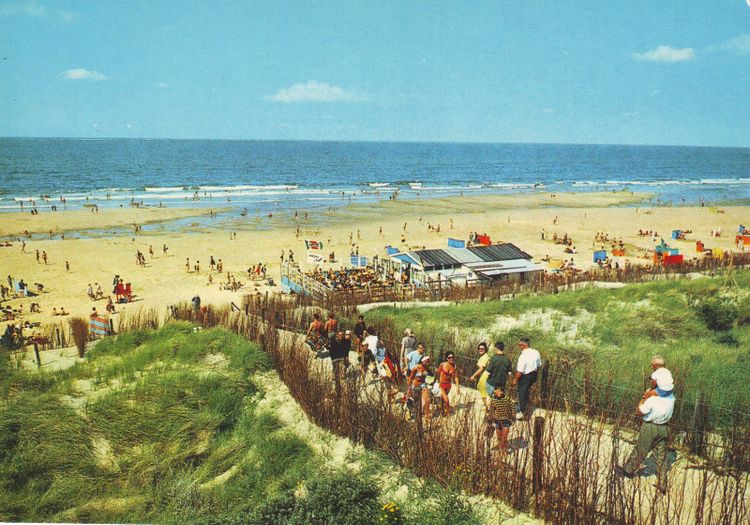
In the 1960s, prosperity increased across the Netherlands, making holidays accessible to a much larger group of people. Young people discovered Renesse and flocked to its beaches. The village gained a reputation for freedom and vibrant energy, attracting visitors from far and wide. The first nightlife venues opened their doors, and Renesse began to transform into a thriving seaside resort. As tourism continued to grow, more leisure facilities, restaurants, and cafés appeared, shaping the lively character for which the village is known today.
-
From party destination to family seaside resort
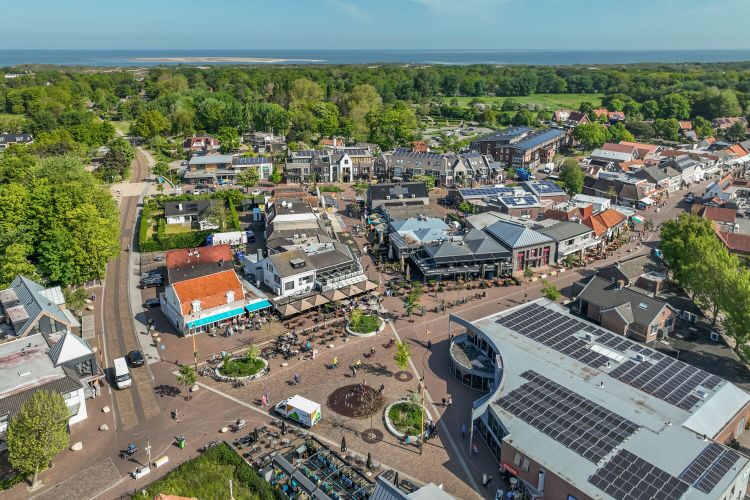
From 2000 onwards, the character of Renesse gradually changed. The focus shifted towards families. Large holiday parks and campsites with extensive facilities and activities for children became a defining feature of the area. In the village, visitors can enjoy cafés, ice cream parlours, and pancake restaurants, while the surrounding countryside offers plenty of opportunities for cycling and walking. The biggest attraction, however, remains the wide and clean beach, which continues to draw visitors year after year.
About the Jacobuskerk
A prominent landmark in the centre of Renesse is the Gothic Jacobus Church, built in 1506 on the Lange Reke. It is likely that an earlier Romanesque chapel once stood on the same site. The church’s main altar was dedicated to Saint James the Greater, the patron saint of Santiago de Compostela. The church forms part of the centuries-old pilgrimage route to Spain. Each year, around Saint James’ Day on 25 July, Renesse celebrates its annual fair, a tradition closely connected to the village’s historical ties with the saint and the pilgrimage route.
Want to know more?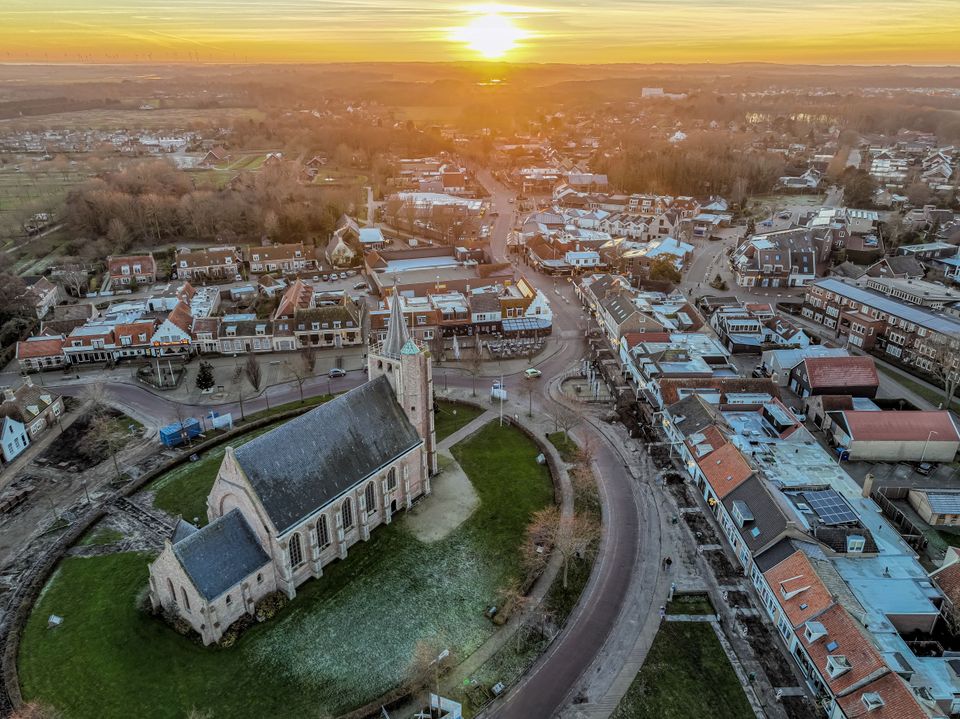
Disaster and Rebuilding
The 1953 North Sea Flood had a profound impact on the region. In its aftermath, the Delta Works dramatically improved the accessibility of the island. From 1965 onwards, Schouwen-Duiveland could be reached by car or moped via the Grevelingendam. The agricultural land, already relatively poor, deteriorated further due to the intrusion of salt water. To generate additional income, farmers and fruit growers began opening campsites on their land. At the same time, property developers built the first holiday bungalow parks. As a result, tourism became an increasingly important part of Renesse’s economy and identity.