Serooskerke
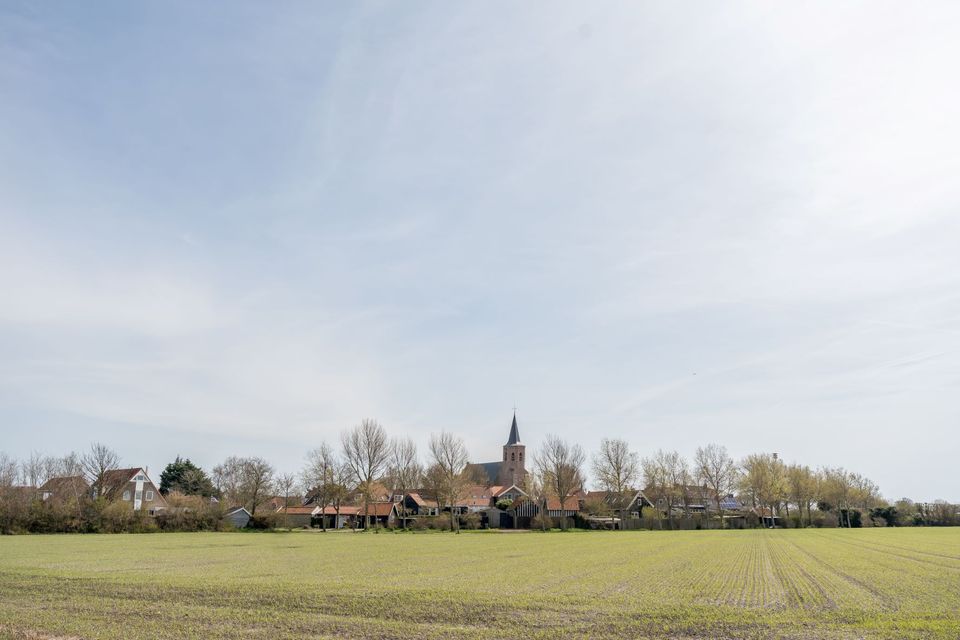
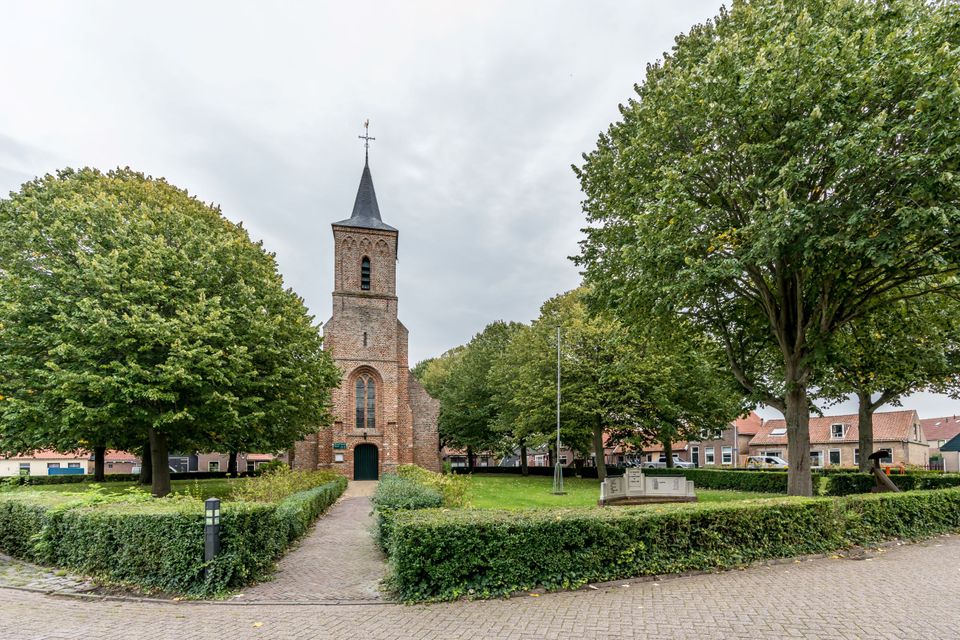
The village of Serooskerke is located on the Oosterschelde and is surrounded by nature reserves, some of which were formed by flooding during the North Sea Flood of 1953. The houses are arranged around the centrally located church, which was originally built in the fifteenth century but has been rebuilt and restored many times. The ring village has changed little over the years.
Places of Interest
In Serooskerke, you will still find three national monuments: the church, the church tower and the 19th-century farmstead Poortjesmeet on Oude Zandweg. The latter is privately owned and cannot be visited. The church was originally built in the 15th century. During a major fire in 1575, a large part of the church was destroyed, but it was later rebuilt. The church also suffered damage during the North Sea Flood. Here, you will also find a monument in memory of the victims of the North Sea Flood of 1953.
Schelphoek Hamlet
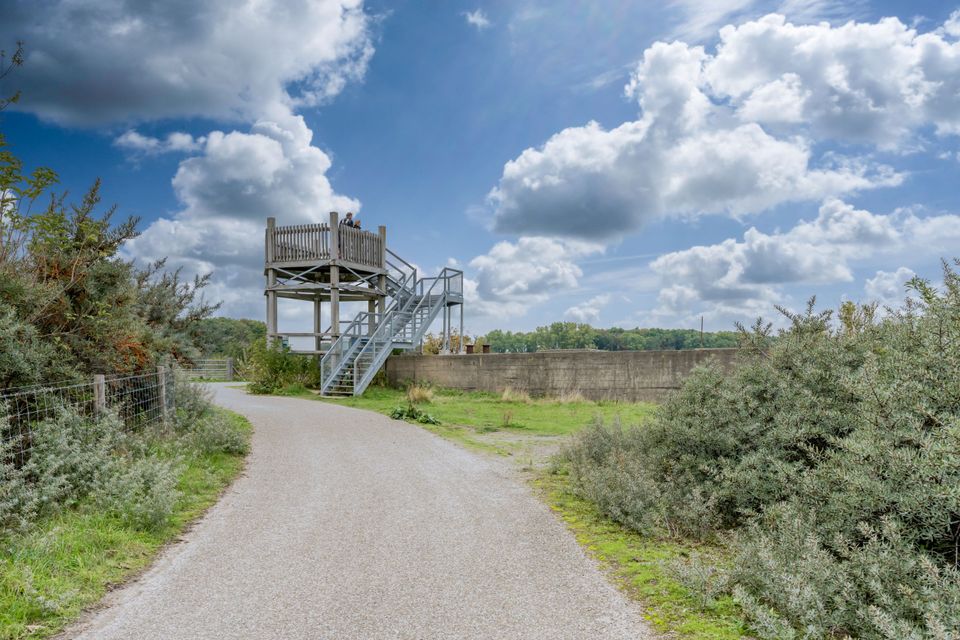
Near Serooskerke, a small harbour was built in 1903, mainly for the transport of sugar beet. Several houses were built around the harbour, giving rise to the hamlet of Schelphoek. During the North Sea Flood of 1953, the dike at Schelphoek burst, and the force of the water swept away all the houses. The loss was immense. Several months later, a new ring dike was constructed around the area and closed using caissons. Today, one of these caissons serves as a viewing point. From here, you have a clear view of the old dike with the large breach in it. It later proved to be the largest dike breach on all of Schouwen-Duiveland during the North Sea Flood.
Also worth a visit - in Serooskerke
-
De Schelphoek Nature Reserve
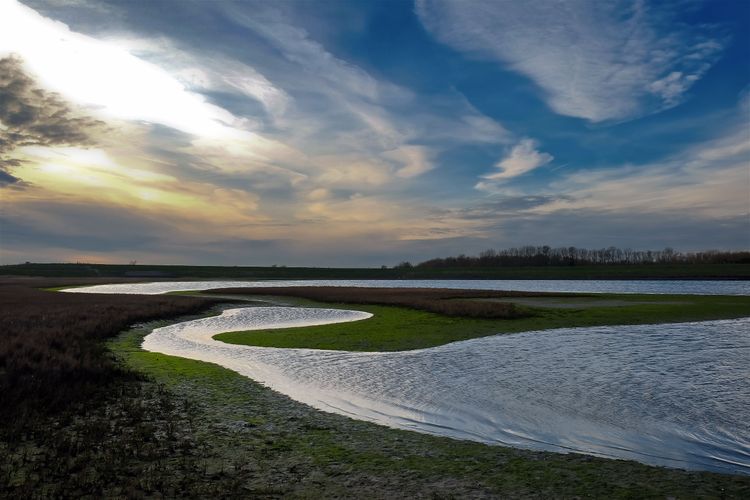
After the construction of a new dike at Schelphoek, a creek remained behind the dike. New trees were planted around this water, creating De Schelphoek Nature Reserve. From the viewpoint on top of the caisson, you have a clear view over the creek area. If you look in the other direction, you can see the Oosterschelde and, in the distance, the Plompe Toren.
-
Prunje Polder Nature Reserve
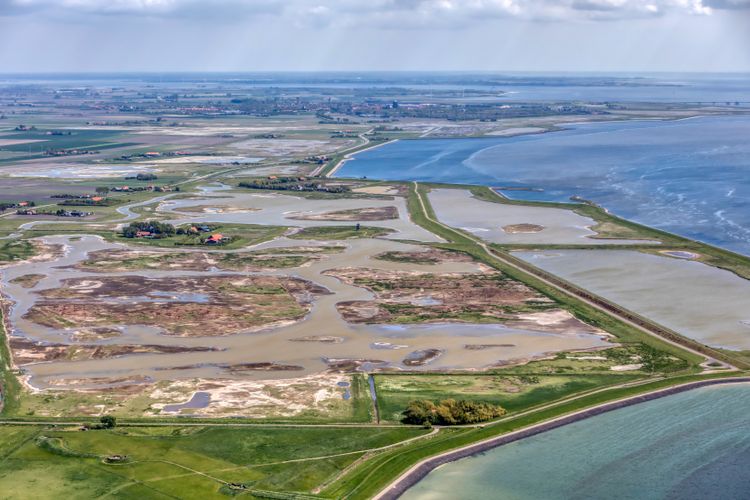
On the other side of Serooskerke lies the Prunje Polder Nature Reserve. Due to the construction of the Oosterschelde Storm Surge Barrier, the tidal differences in the Oosterschelde became much smaller, which was not beneficial for nature. To restore the natural environment, Plan Tureluur was created. And successfully so. It is once again a large area full of marshes, creeks and channels that can be clearly seen from the dikes.
-
Straô Rieën
Straô Rieën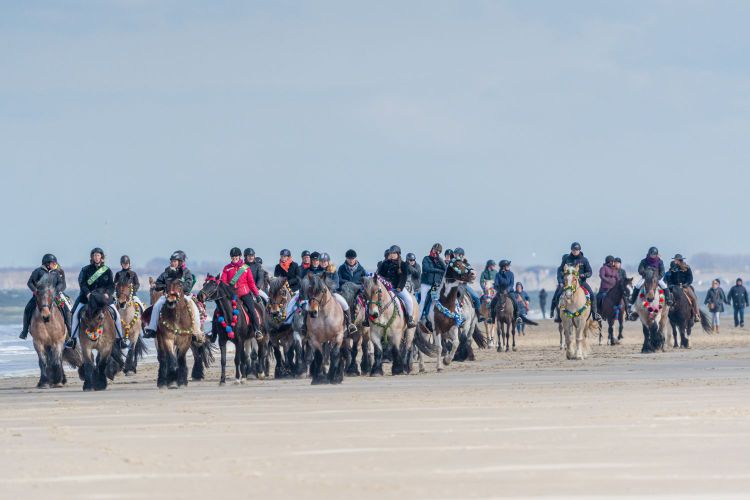
Be sure to visit Serooskerke during the unique Straô Rieën event. During this Schouwen event, decorated horses ride in a grand procession from the village to the beach. Since 2018, this unique event has been included on the UNESCO World Heritage List.